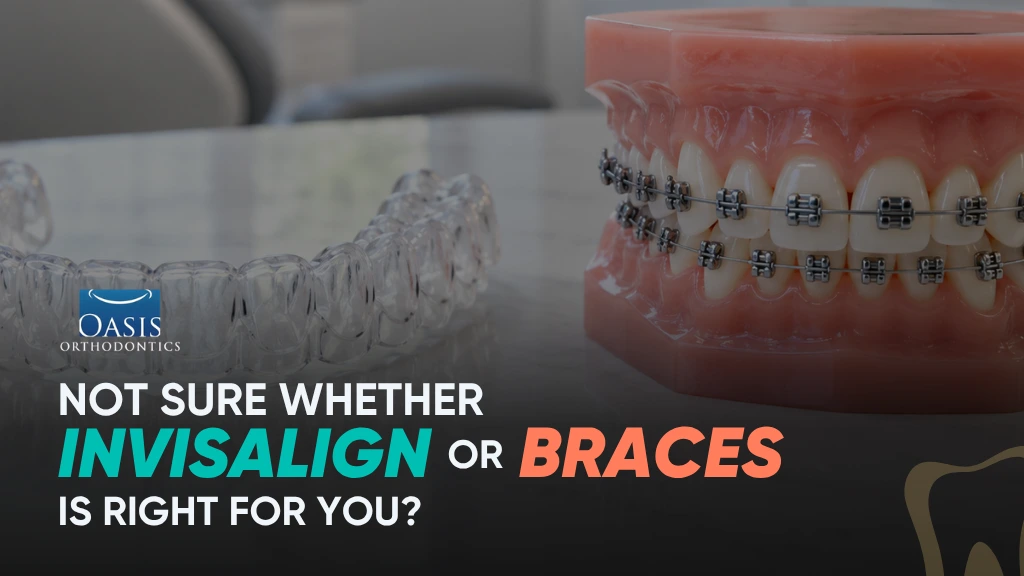
Invisalign vs Braces: How to Know Which One Your Case Actually Needs
Choosing between Invisalign and braces is not really about preference. It comes down to what your teeth and bite actually

Choosing between Invisalign and braces is not really about preference. It comes down to what your teeth and bite actually
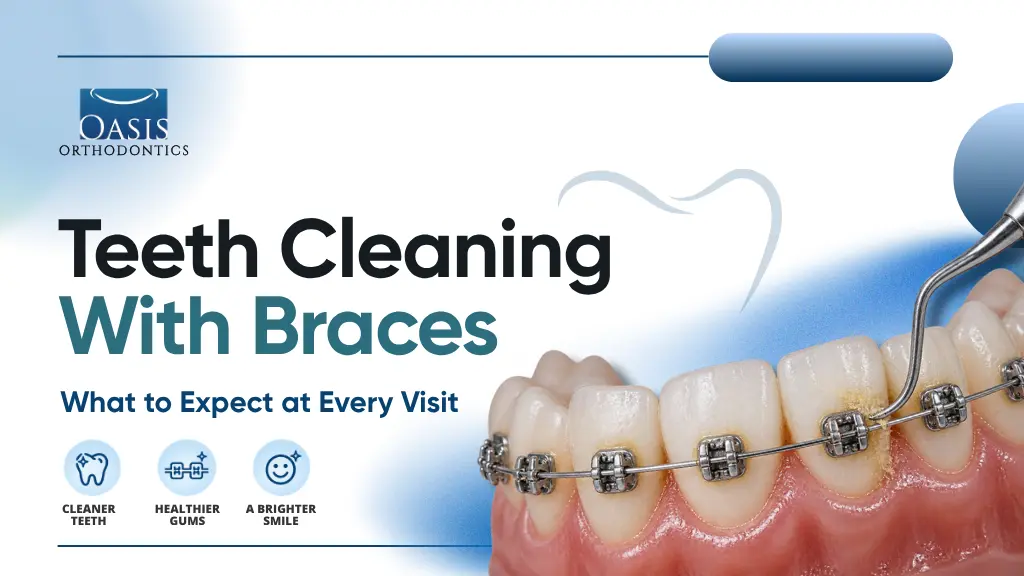
Patients in braces sometimes skip their regular dental cleaning appointments, assuming the hygienist cannot work properly around brackets and wires,
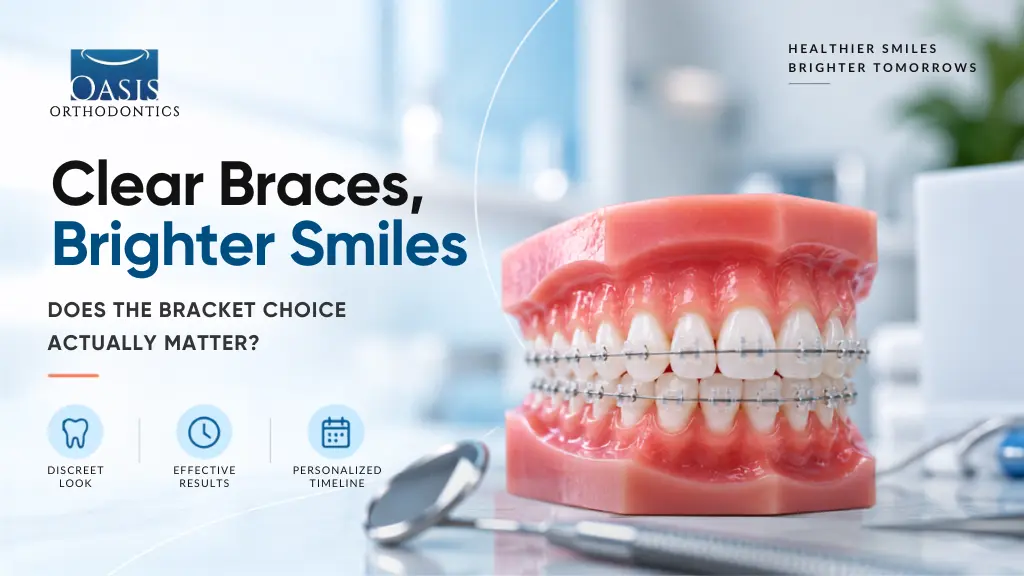
Many patients assume choosing clear braces automatically means a longer treatment. The bracket you pick is rarely the main thing
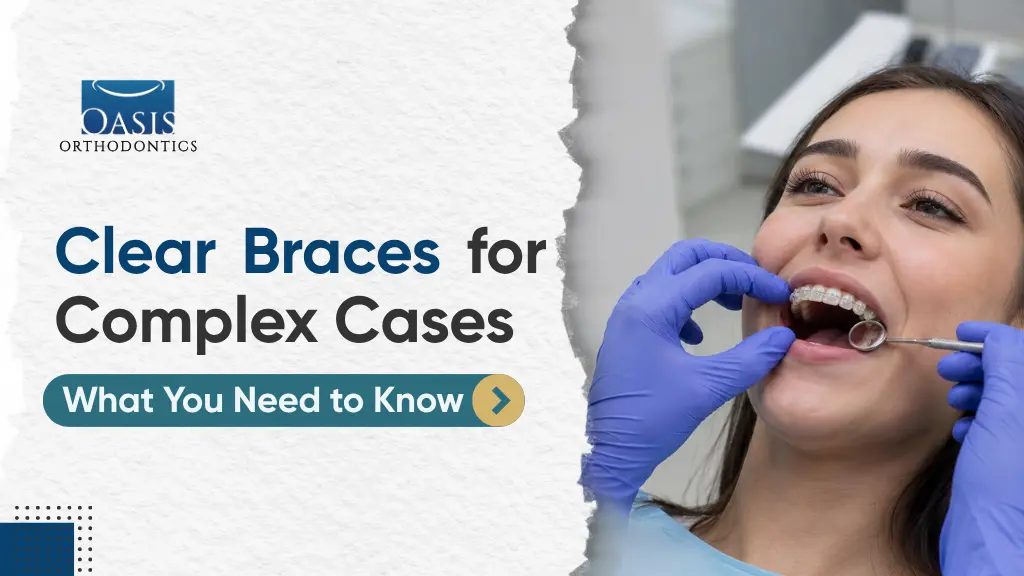
Patients with complex orthodontic needs are frequently told that clear braces are not strong enough for their case and that
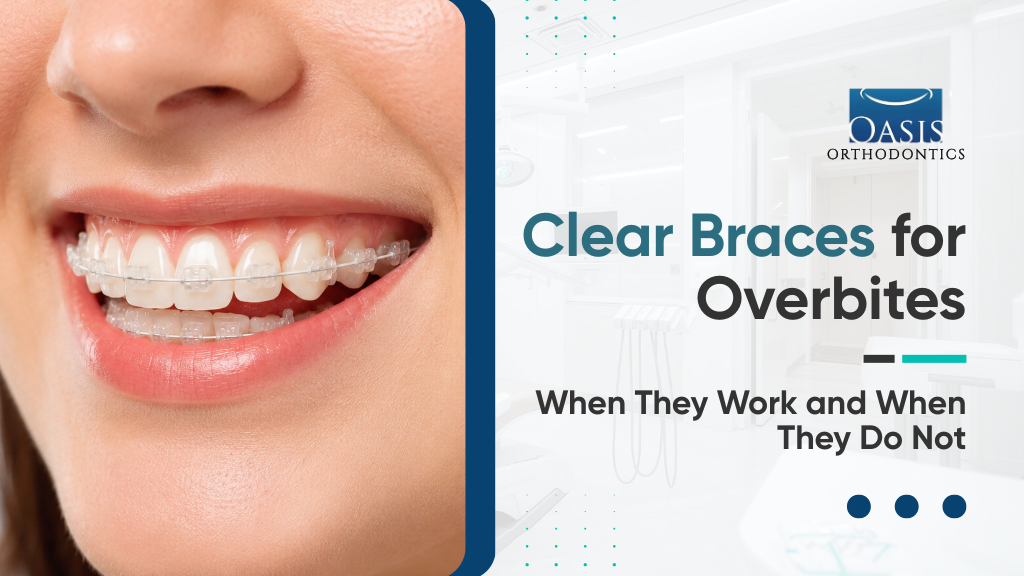
Many patients asking about clear braces have an overbite and want to know whether a discreet fixed appliance can actually
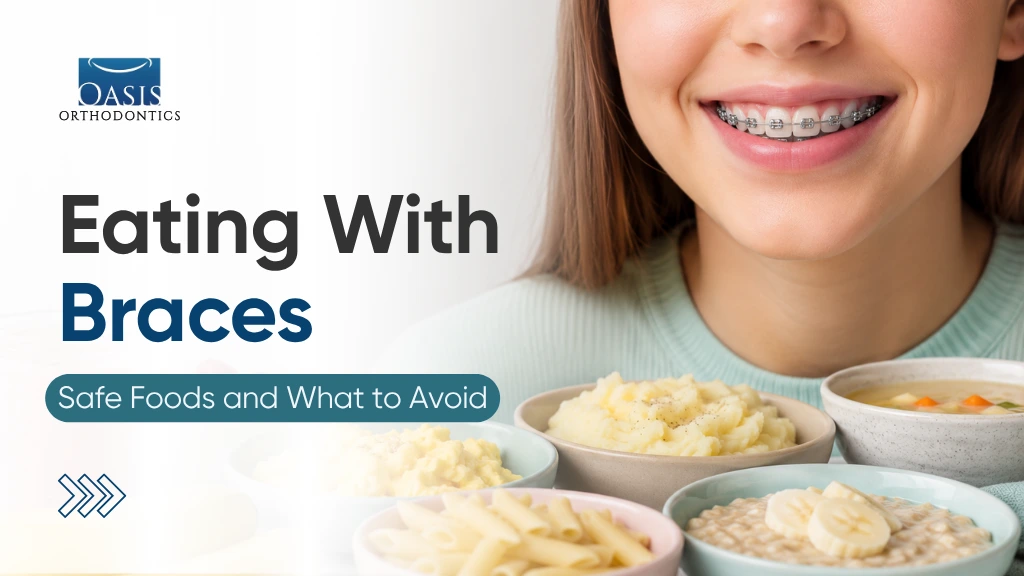
Getting braces does not mean overhauling your diet, but it does mean knowing which foods protect your brackets and which
Most patients complete underbite treatment in 18 to 30 months. Mild dental underbites can resolve in as little as 18
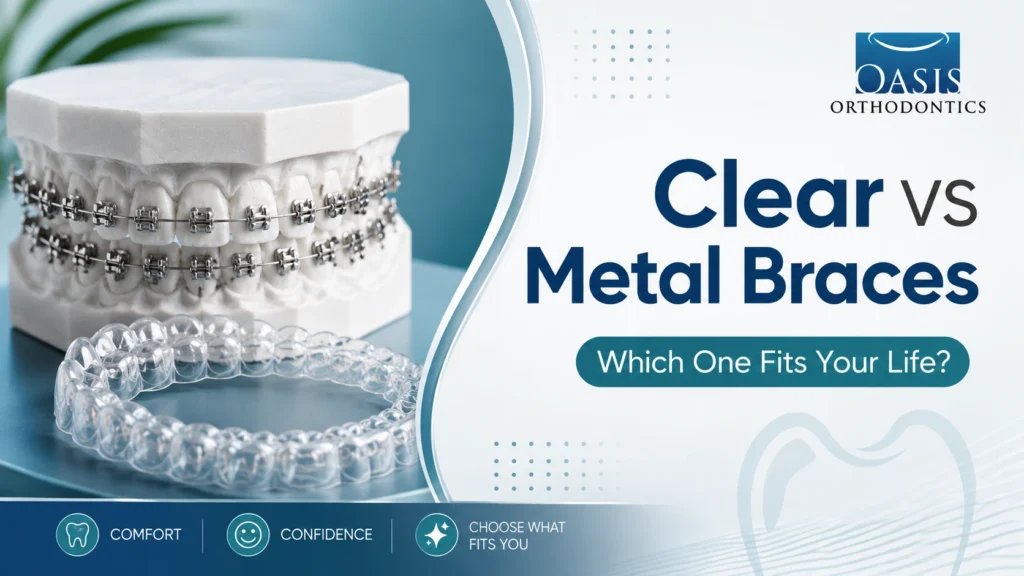
Choosing between clear braces and metal braces is one of the first decisions you make when starting orthodontic treatment, and
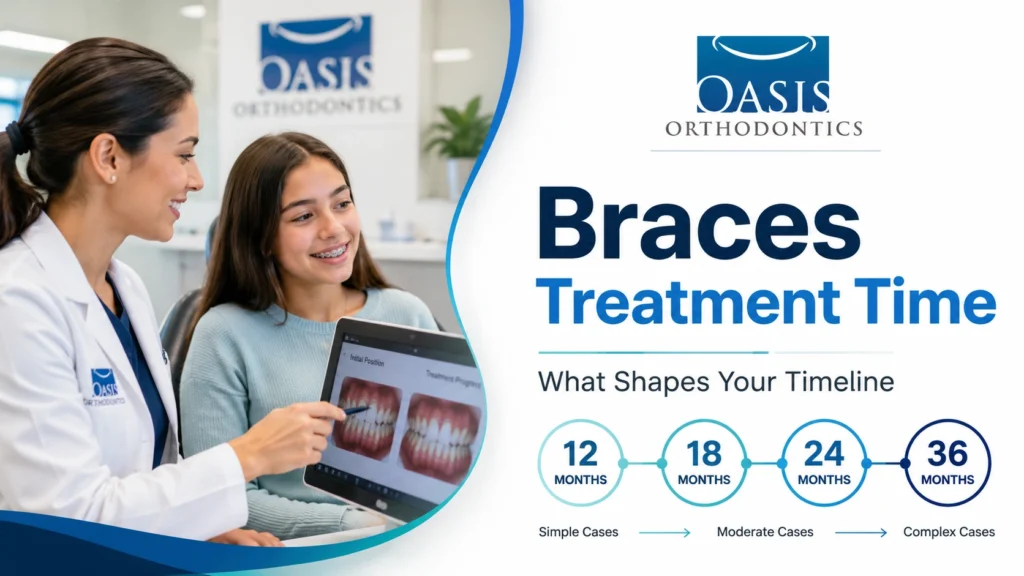
Most patients expect a clear number when they ask about braces. The honest answer is that treatment takes anywhere from
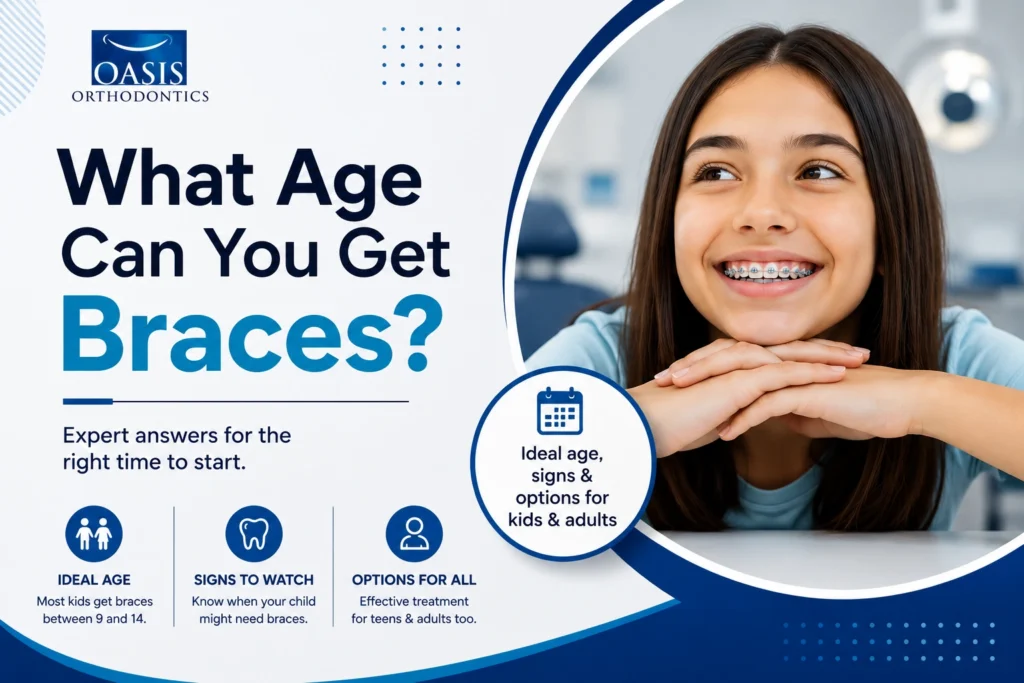
Most children get braces between the ages of 9 and 14, when their permanent teeth have erupted, and their jaws